Editorial
Articles
Curated spiritual essays where ancient wisdom meets thoughtful digital craft.
Twin Flame vs. Soulmate: Untangling Two Borrowed Words
 Horoscopes
What Is Synastry? Chart Comparison Beyond Sun Signs
The craft's answer to 'are we compatible?' was never a score out of twelve. Synastry lays two whole charts side by side and reads their conversation — here is how the instrument actually works.

From the library
Further reading from our desk — same voice, varied themes.
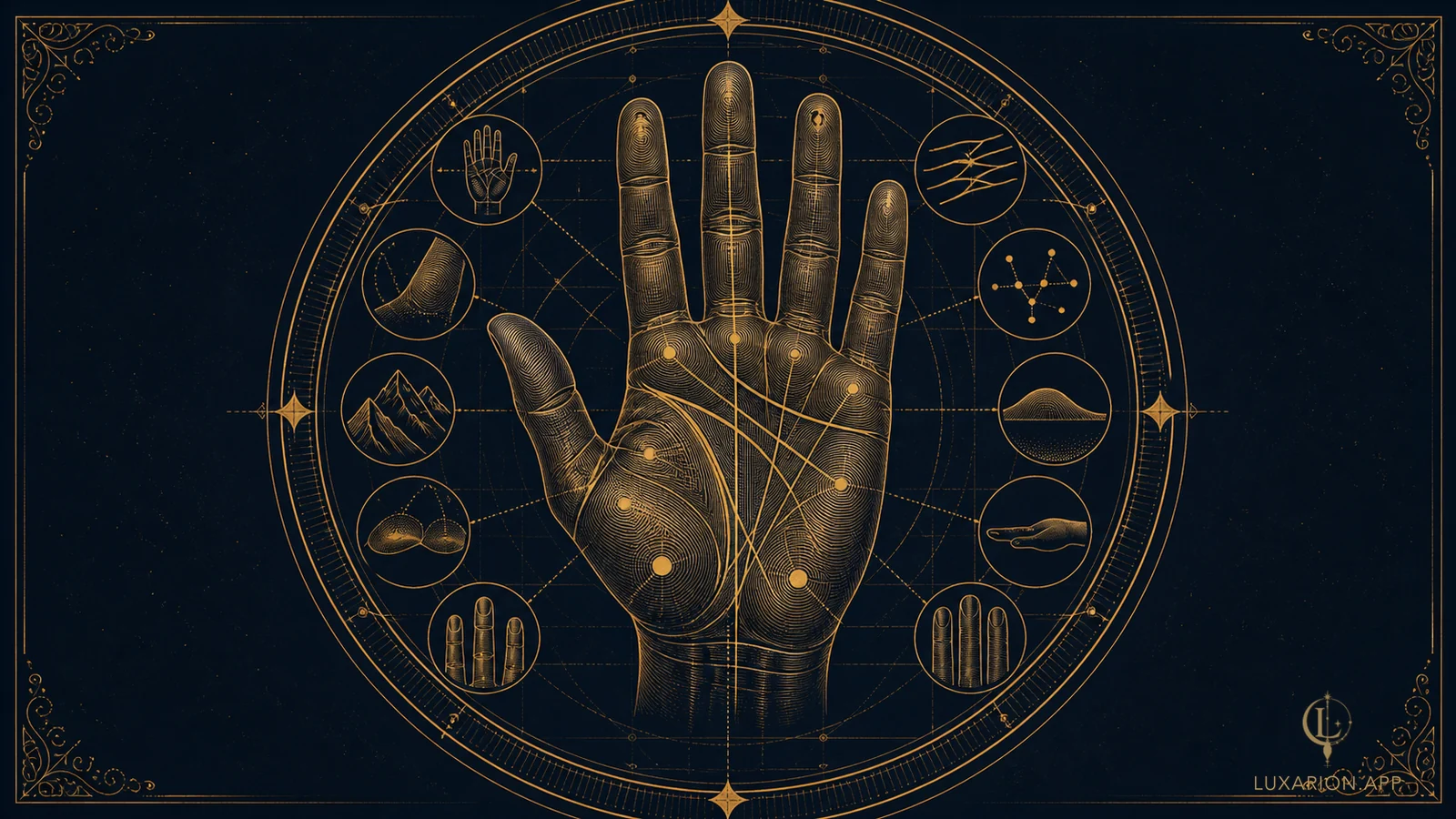
Palm Reading: A Complete Guide to the Lines, Mounts and Hands
The full vocabulary of the hand — lines, mounts, shapes and fingers — as the lineages actually taught it, and how to read your own hand this week.
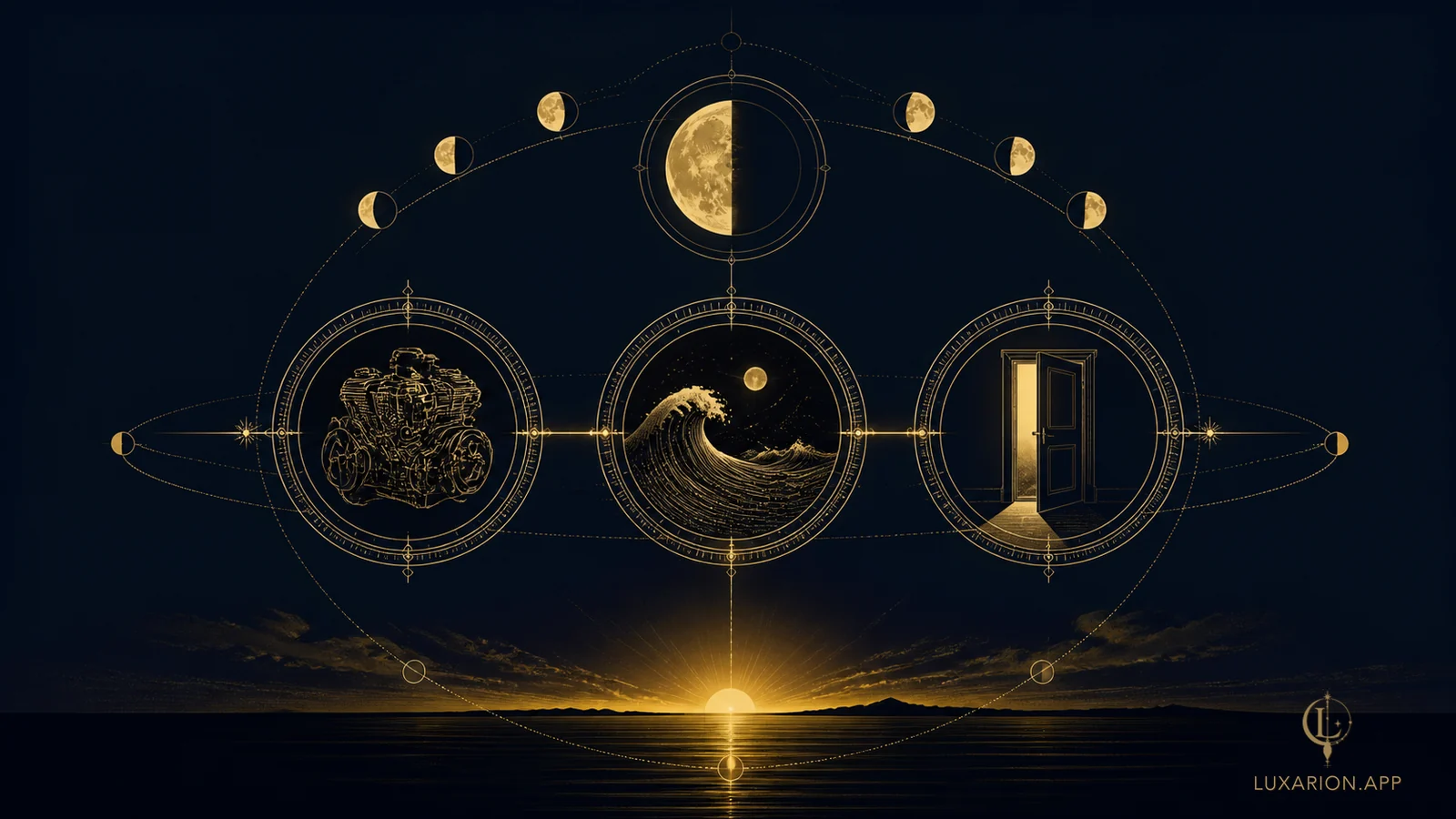
Sun, Moon, Rising: The Three Doors Into Your Chart
Your sign is one-third of a sentence. What the big three actually describe — the engine, the tide, and the doorway — and why the combination explains people the single sign never could.
Is Tarot Accurate? What the Question Is Really Asking
«Accurate» is borrowed from instruments. What a reading aims at is something else entirely — and the traditions have been precise about it for centuries.
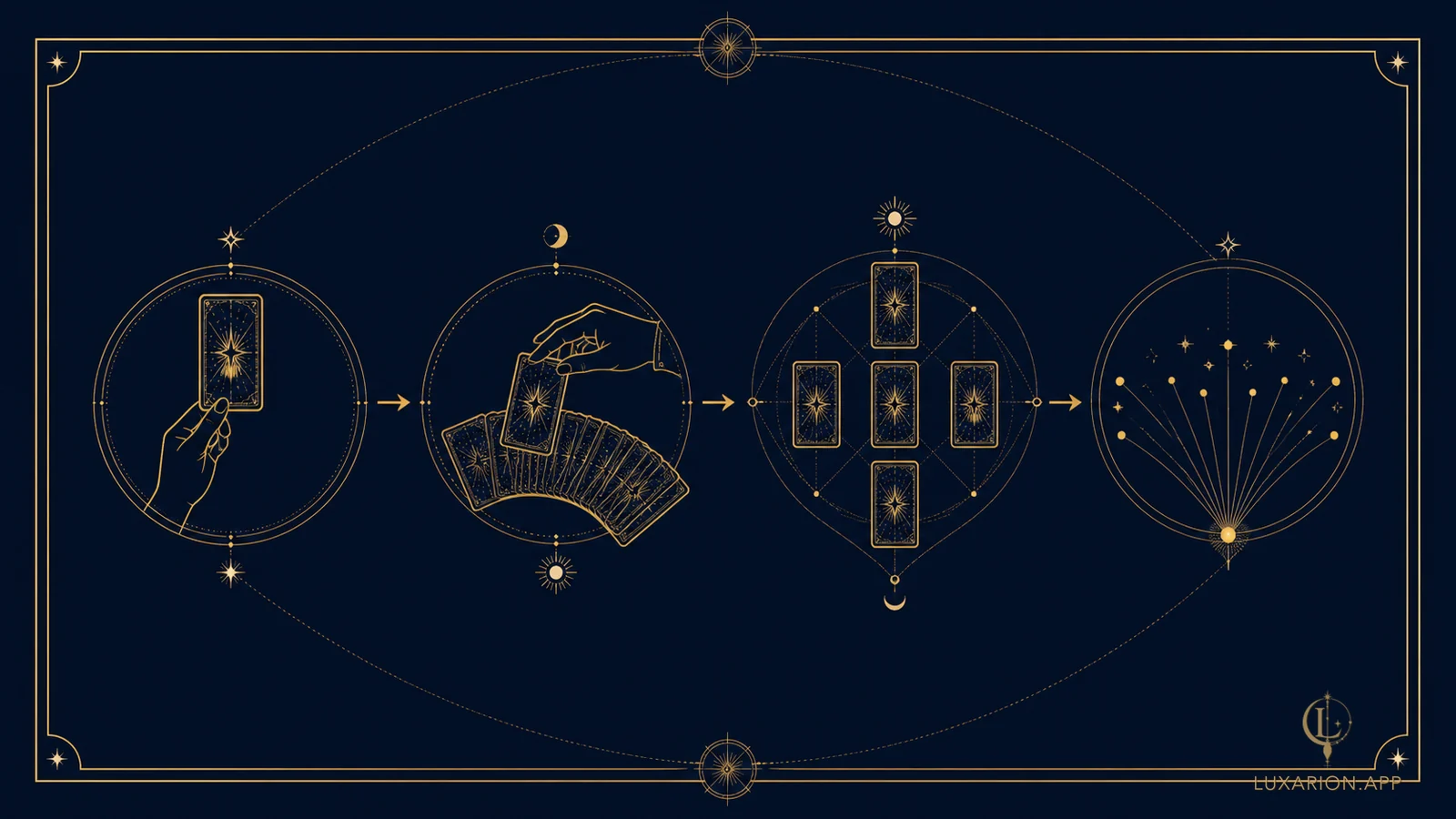
How Tarot Reading Works: The Craft Behind the Cards
A reading is four moves: a question is set, cards are drawn, they land in positions, and the arrangement becomes sentences. Here is each one.

Recurring Dreams: Why the Same Letter Keeps Arriving
A dream that returns is not a glitch. Every tradition reads repetition as non-receipt — and that changes entirely what you do about it.
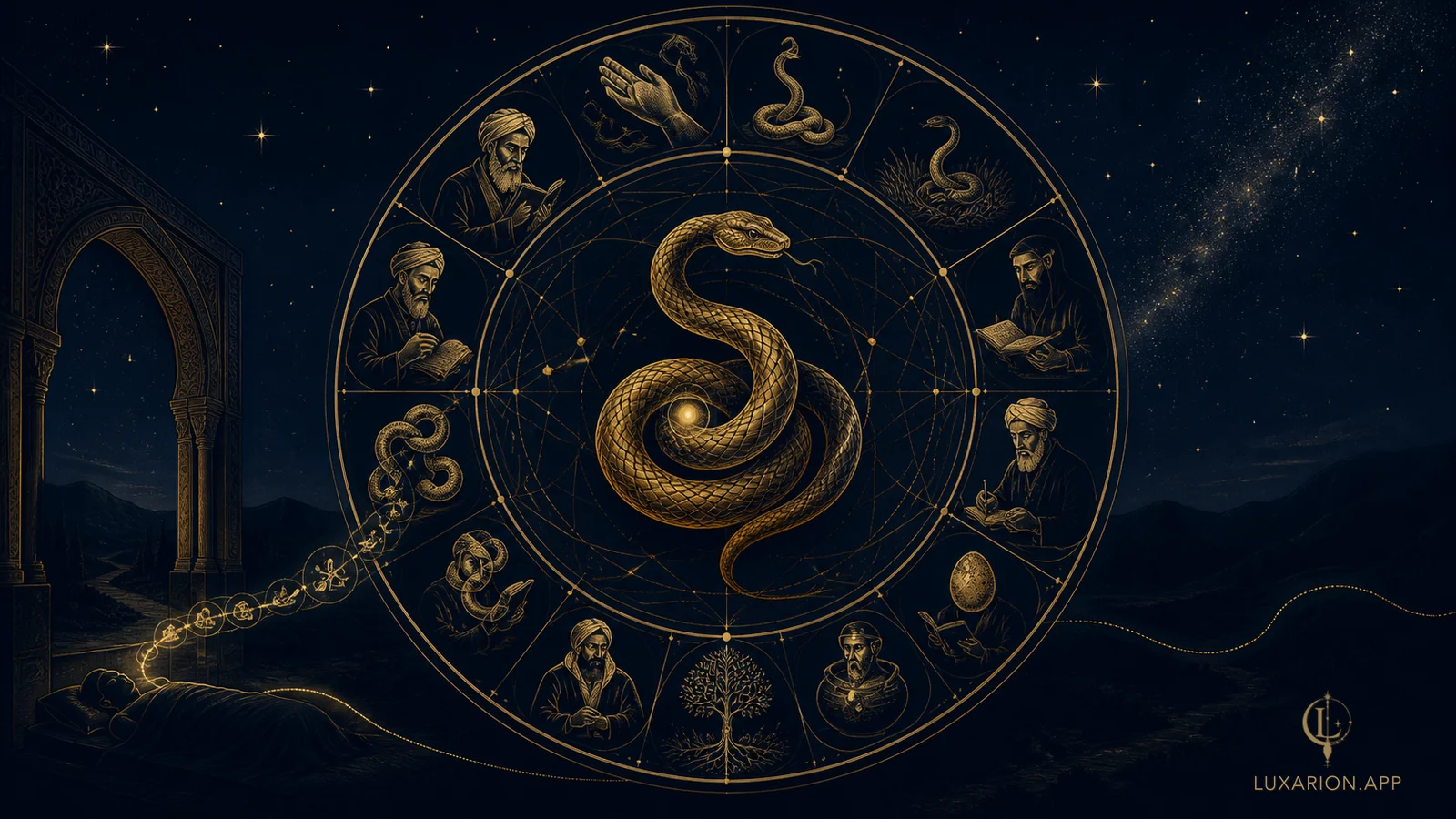
Snake Dreams: One Animal, a Dozen Traditions
The most reported animal in the world's dream records. What the great interpreters actually said, what each variant means, and how to read your own.
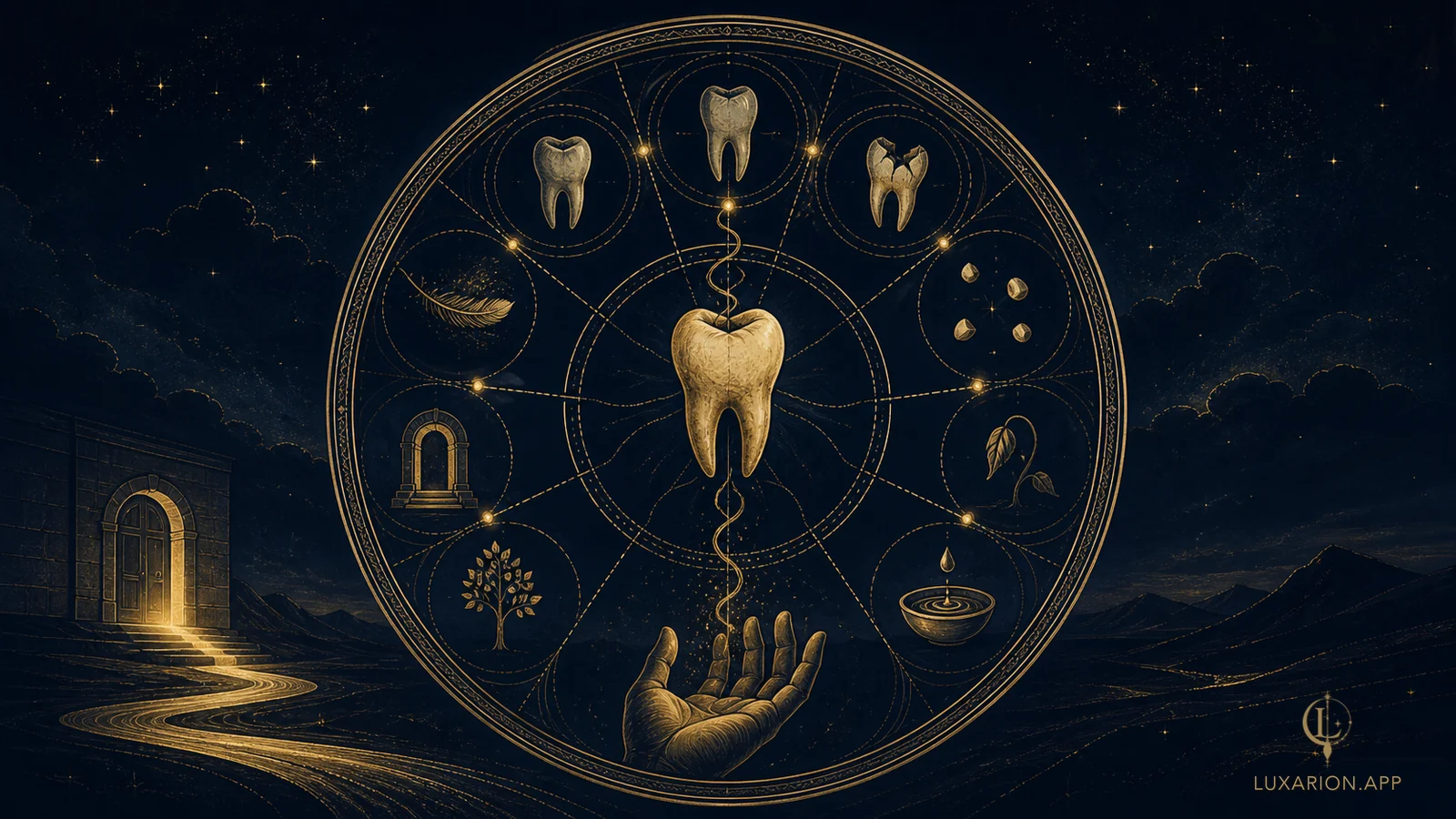
Teeth Falling Out in Dreams: What the Traditions Say
The most physically vivid dream most people ever have. What Ibn Sirin and Artemidorus actually read in it, every variant, and how to read your own.
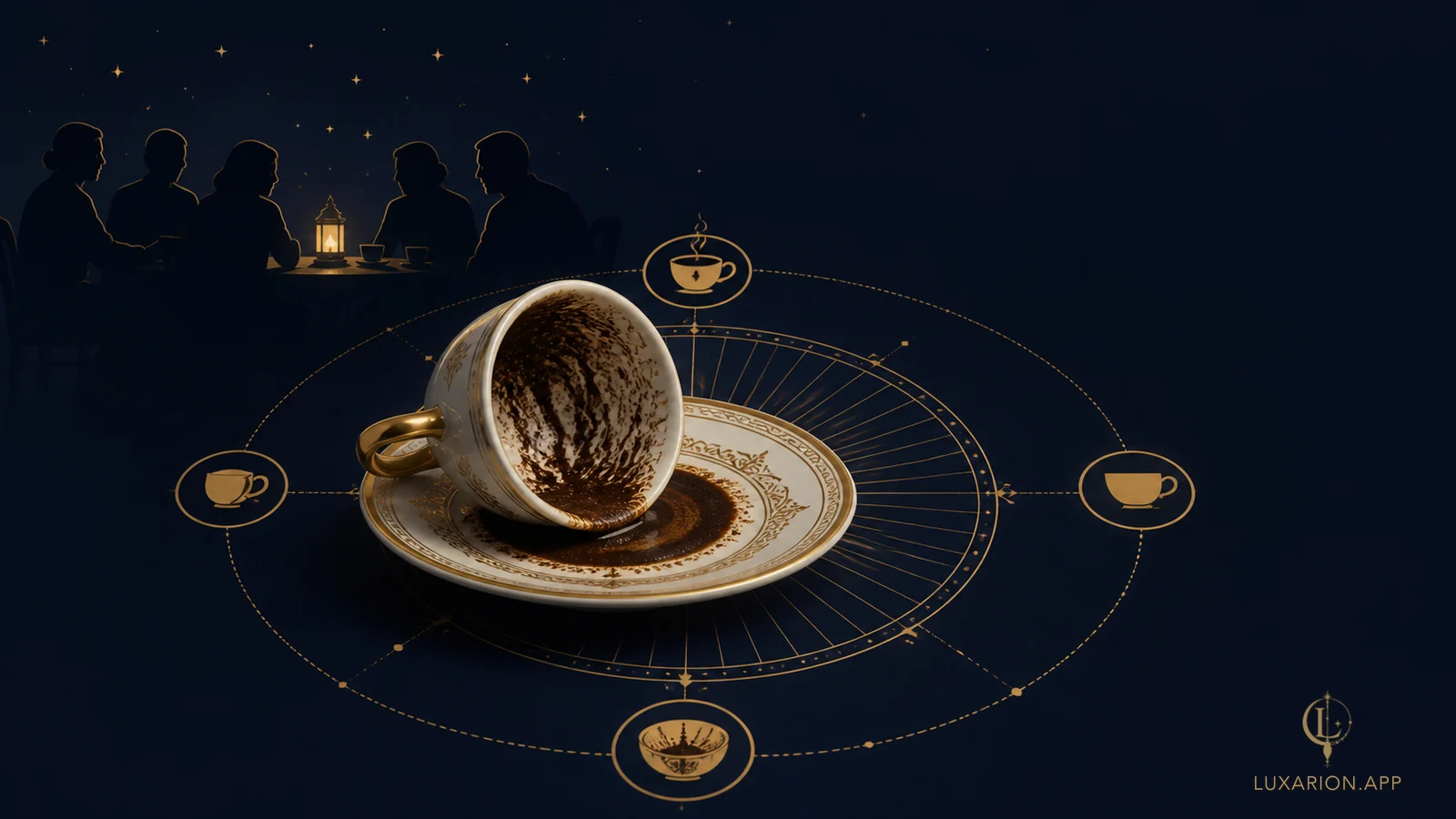
Is Coffee Reading Real? An Honest Answer
What the tradition actually claims is more modest and more interesting than either quick answer — and it has been practised without a break for four centuries.
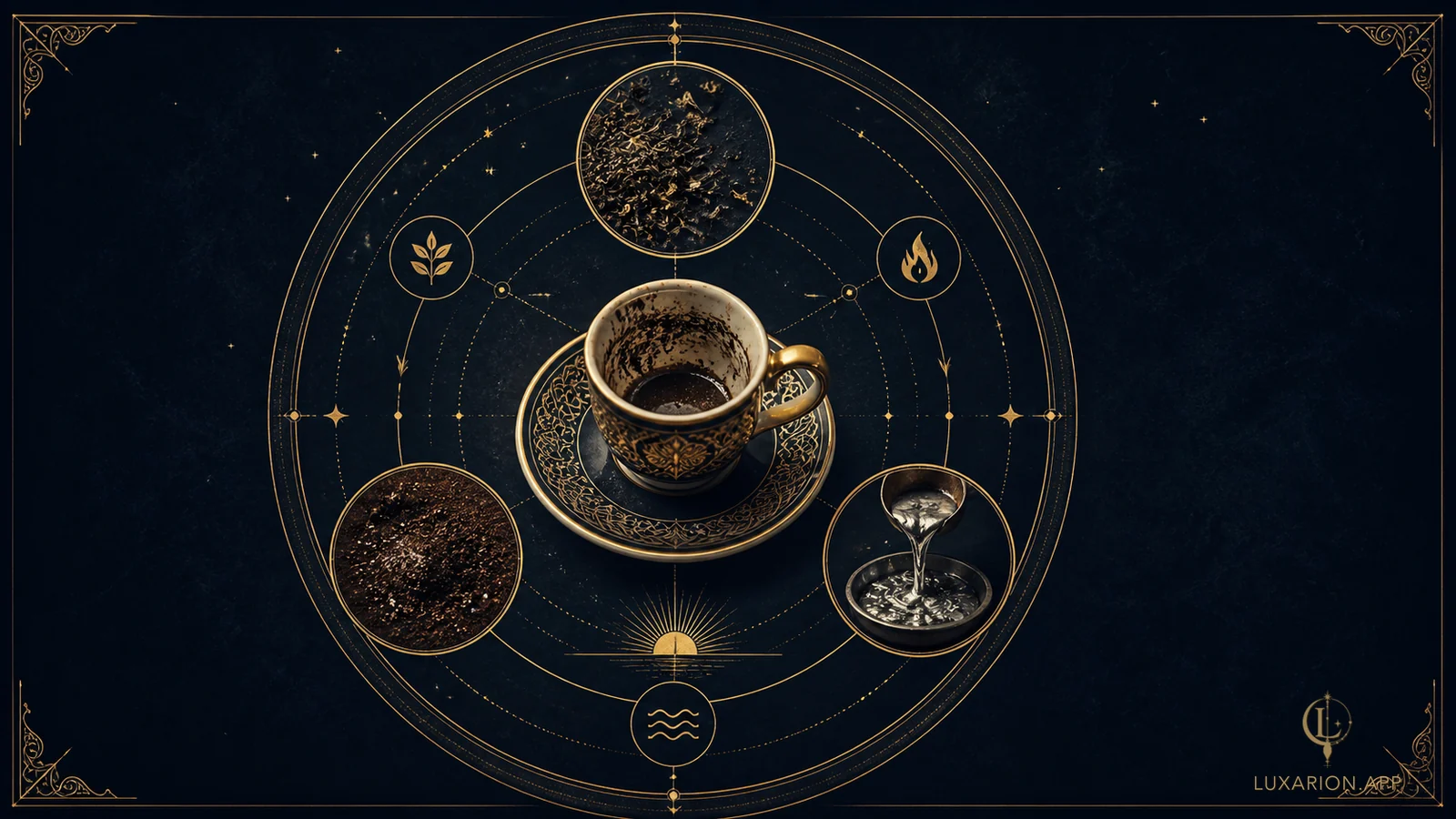
What Is Tasseography? The Art of Reading What Remains
Tea leaves, coffee grounds, molten lead in water — three branches of one family, with one premise: when something is finished, what remains is a record.
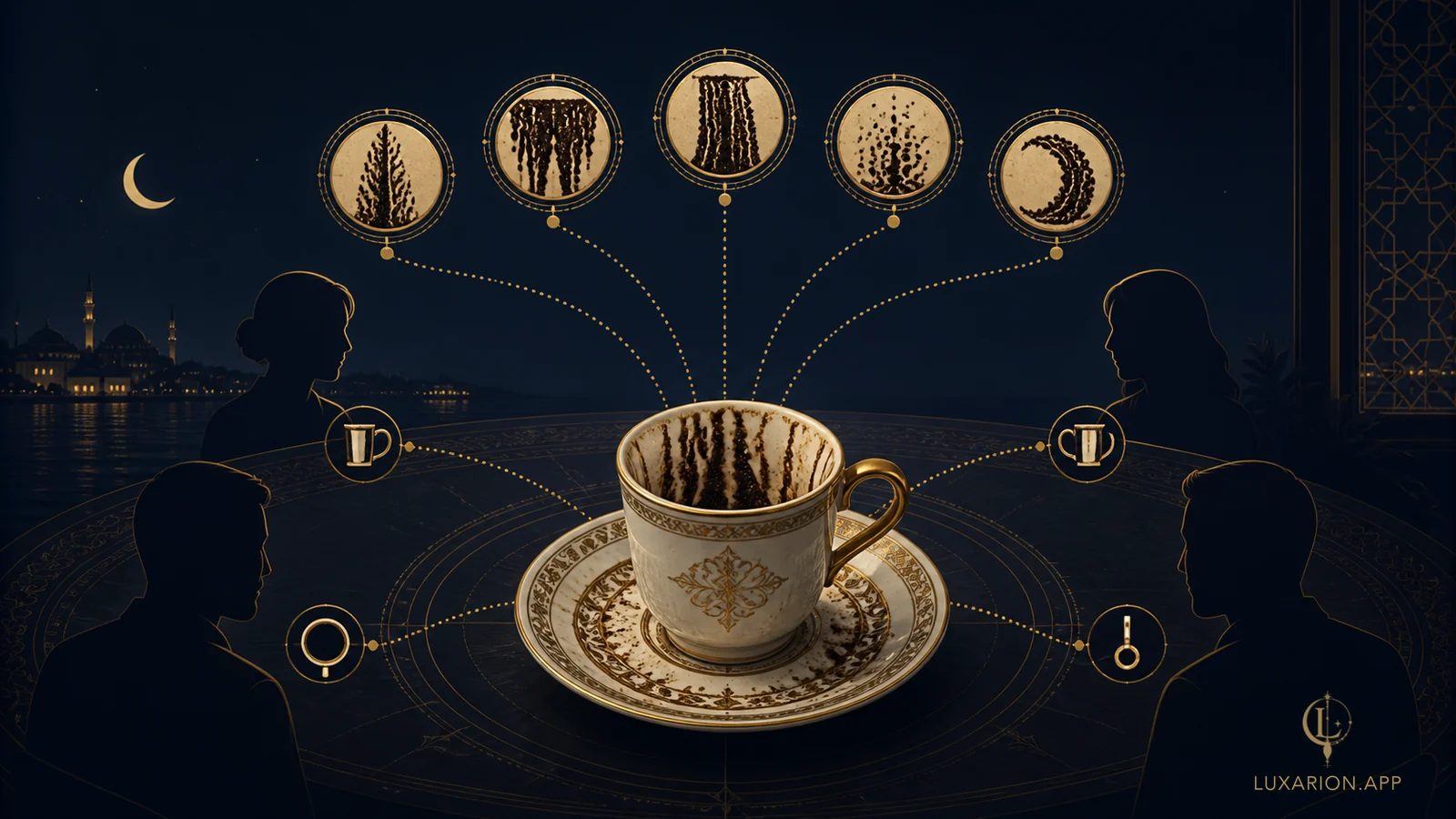
Coffee Cup Symbols: Families, Not a Dictionary
The vocabulary of the cup is learnable — not as five hundred entries but as a handful of families, each read against where it fell and who is sitting there.
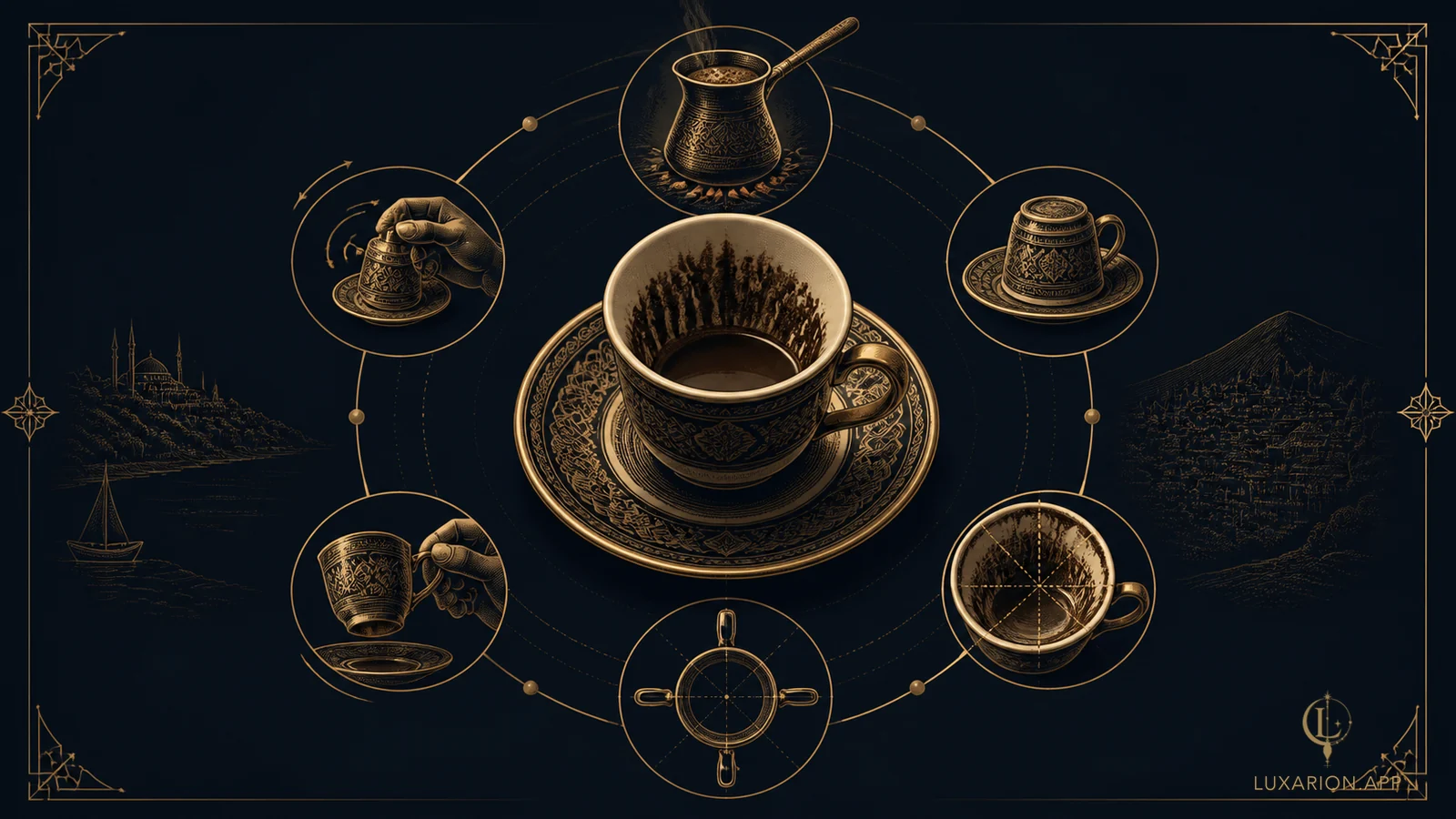
Turkish Coffee Reading: The Tradition, Start to Finish
The brewing, the turn, the wait, the lift, the geography of the cup — the complete ritual with its rules, and the rules are the interesting part.
When the Reading Says No: The Ethics Real Readers Learn
The oldest skill in every divination craft is knowing when to refuse: what the traditions forbid, why the certain reader is the risky one, how to stop.
The Quiet Sense: What Intuition Is, and When to Trust It
Intuition is recognition, not magic — and there is a precise test for when to trust it. What Klein, Kahneman and the contemplative traditions agree on.
Ink as Witness: Why Every Contemplative Craft Ends at a Page
The page neither flatters nor accuses — which is why dream work, card practice and the evening review all end at one. What expressive-writing research actually found.
The Bird, the Ladder, the Key: Your Own Dream Alphabet
Three dictionaries give three verdicts on the same symbol. That is not a flaw in the art — it is its first lesson, and here is how to build the entry yourself.
One Card a Day: How Tarot Readers Are Actually Made
The daily draw is tarot's oldest classroom: why teachers assign it, what Pamela Colman Smith changed in 1909, and lens versus forecast.
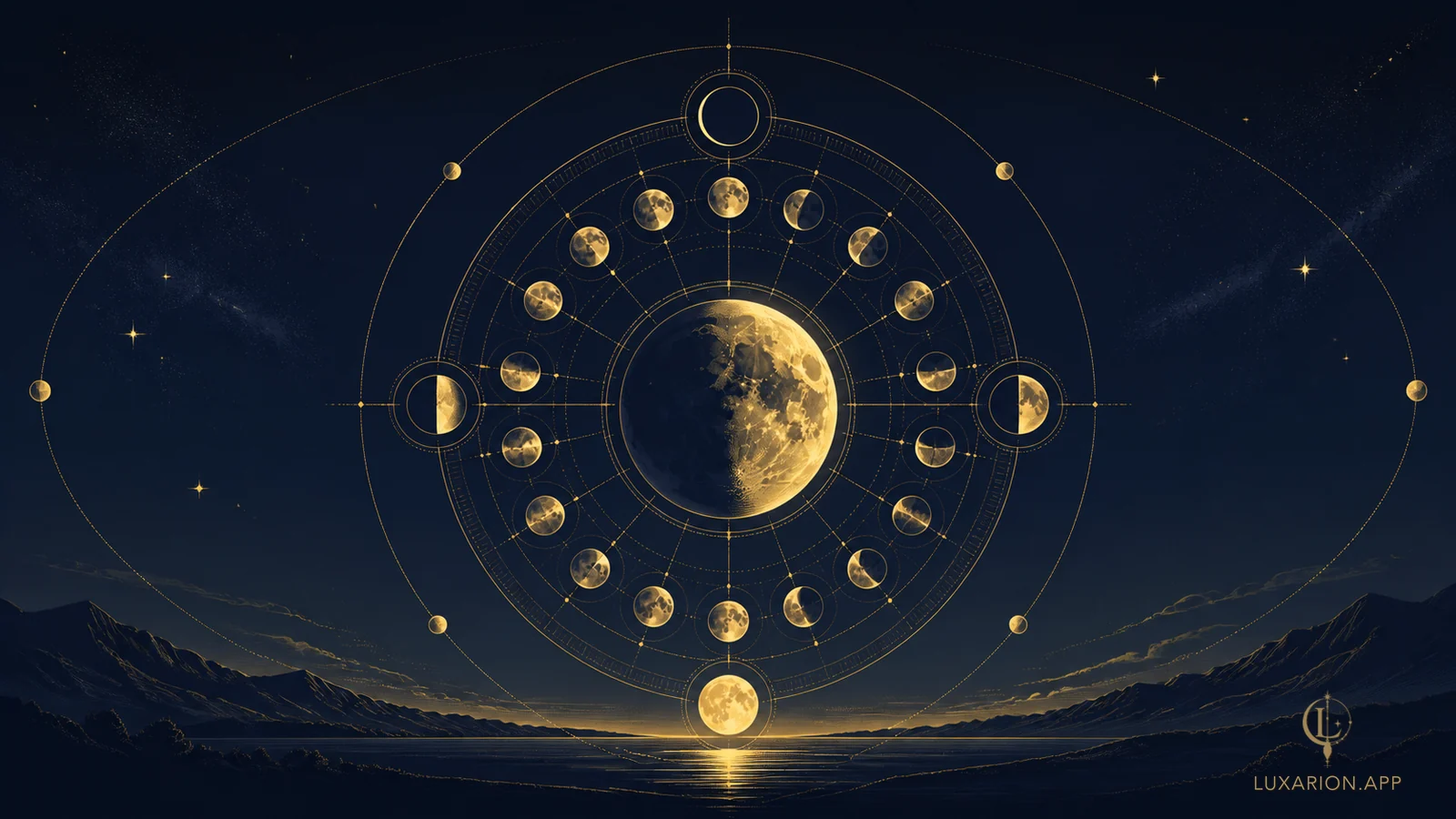
Living by the Moon: The Oldest Calendar Is a Practice
Before clocks, the moon was the calendar — 28 lunar stations, four phases, one honest monthly rhythm. How practitioners actually use it, hype removed.
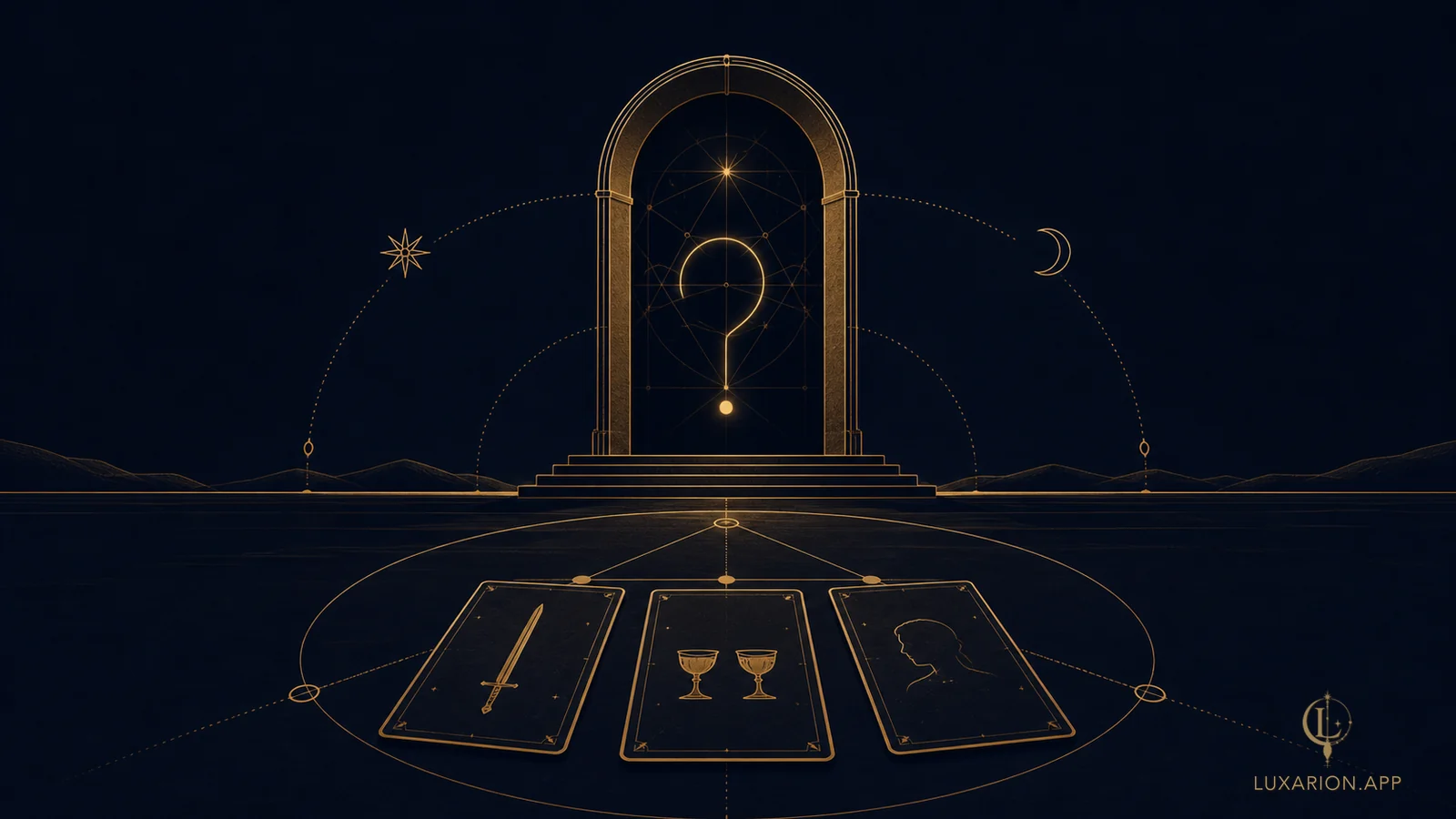
How to Ask About Love: The Question Is Half the Reading
Every divination lineage teaches question-craft first: what horary astrology's strict rules, tarot's open questions and the ethics of third-party readings all know about love.
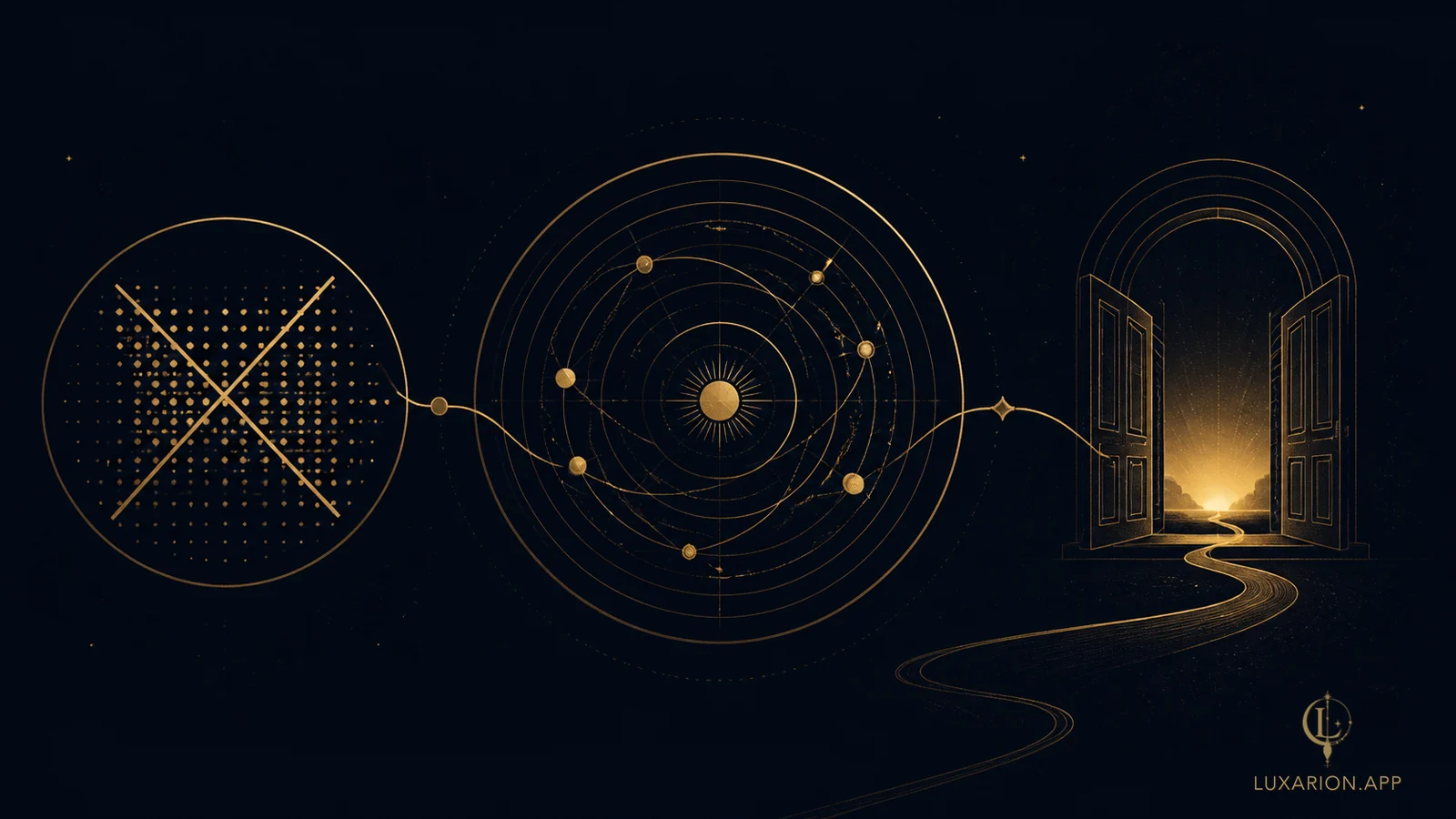
Compatibility Is a Verb: What Synastry Actually Measures
Sun-sign matching fails every test — the largest study of 10 million marriages found nothing. What chart comparison actually maps, and why the craft calls it a verb.
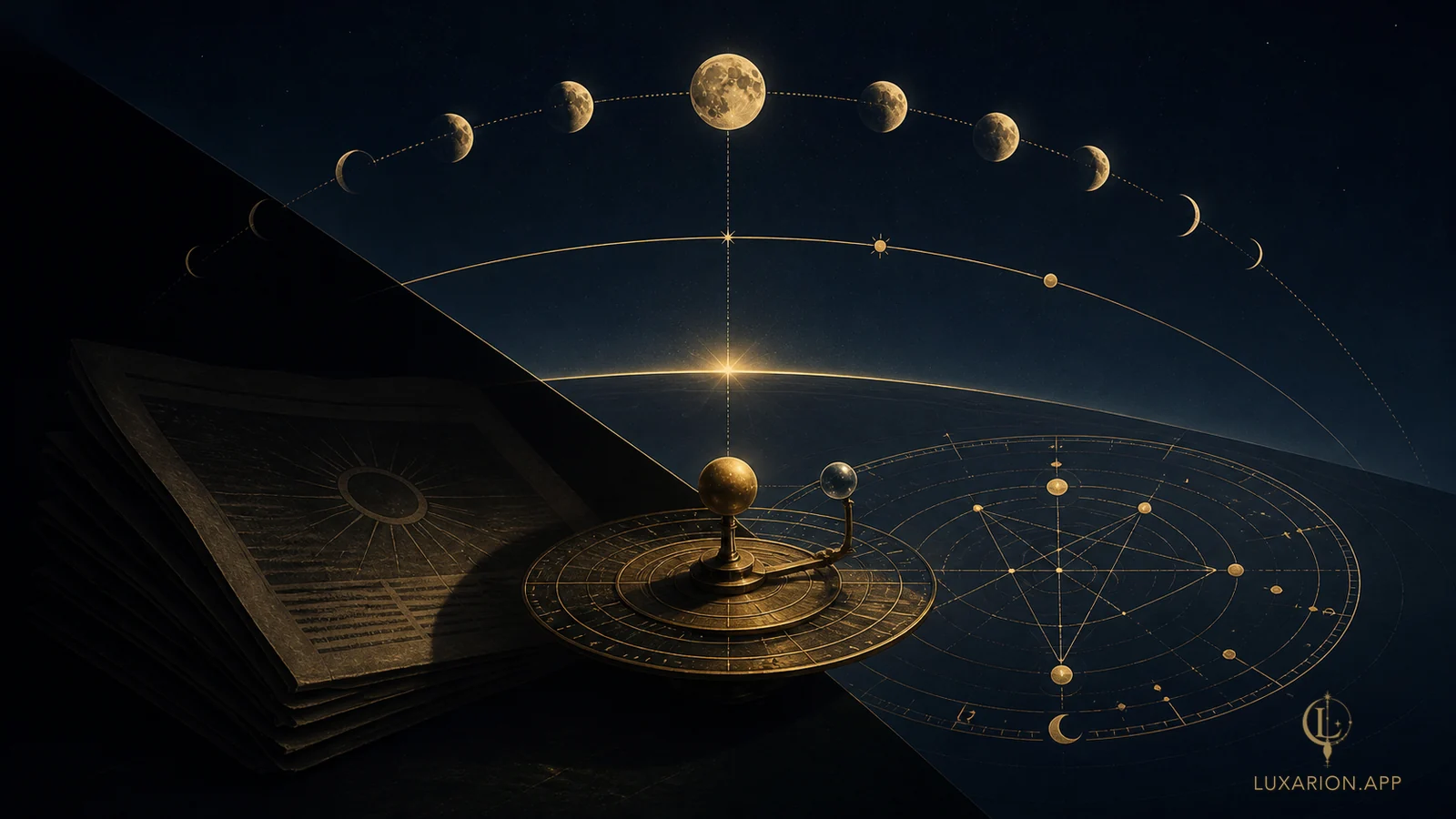
You Are Not Your Sun Sign: What a Birth Chart Contains
The newspaper horoscope is a 1930 invention; the birth chart is two thousand years older. Sun, Moon, Ascendant, houses, aspects — how astrologers actually read.
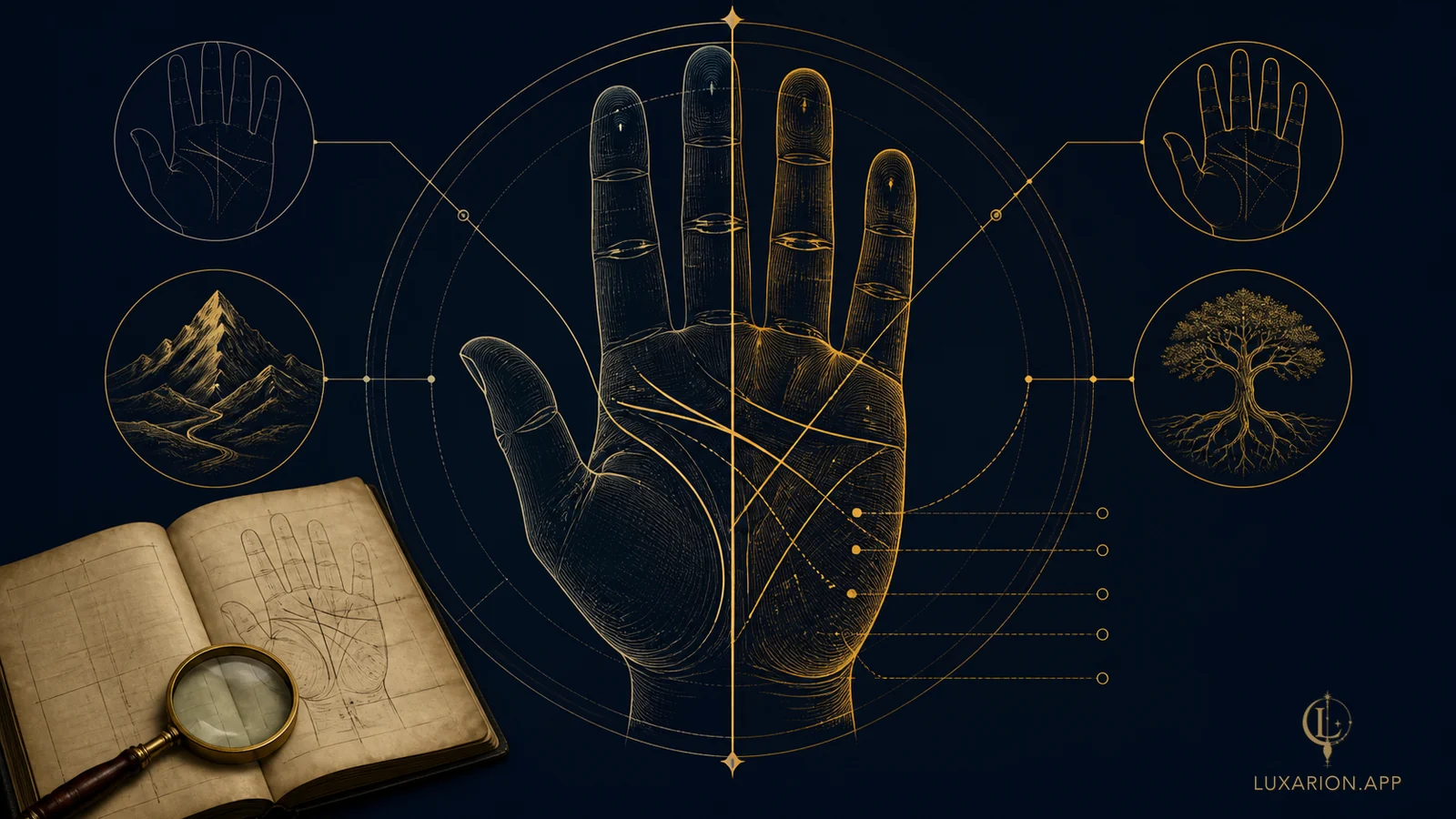
Hands Change: What Palmistry Knows Despite Its Reputation
Palmistry from inside the craft: two branches, two hands, why the life line is not a lifespan, and the premise beneath all of it.
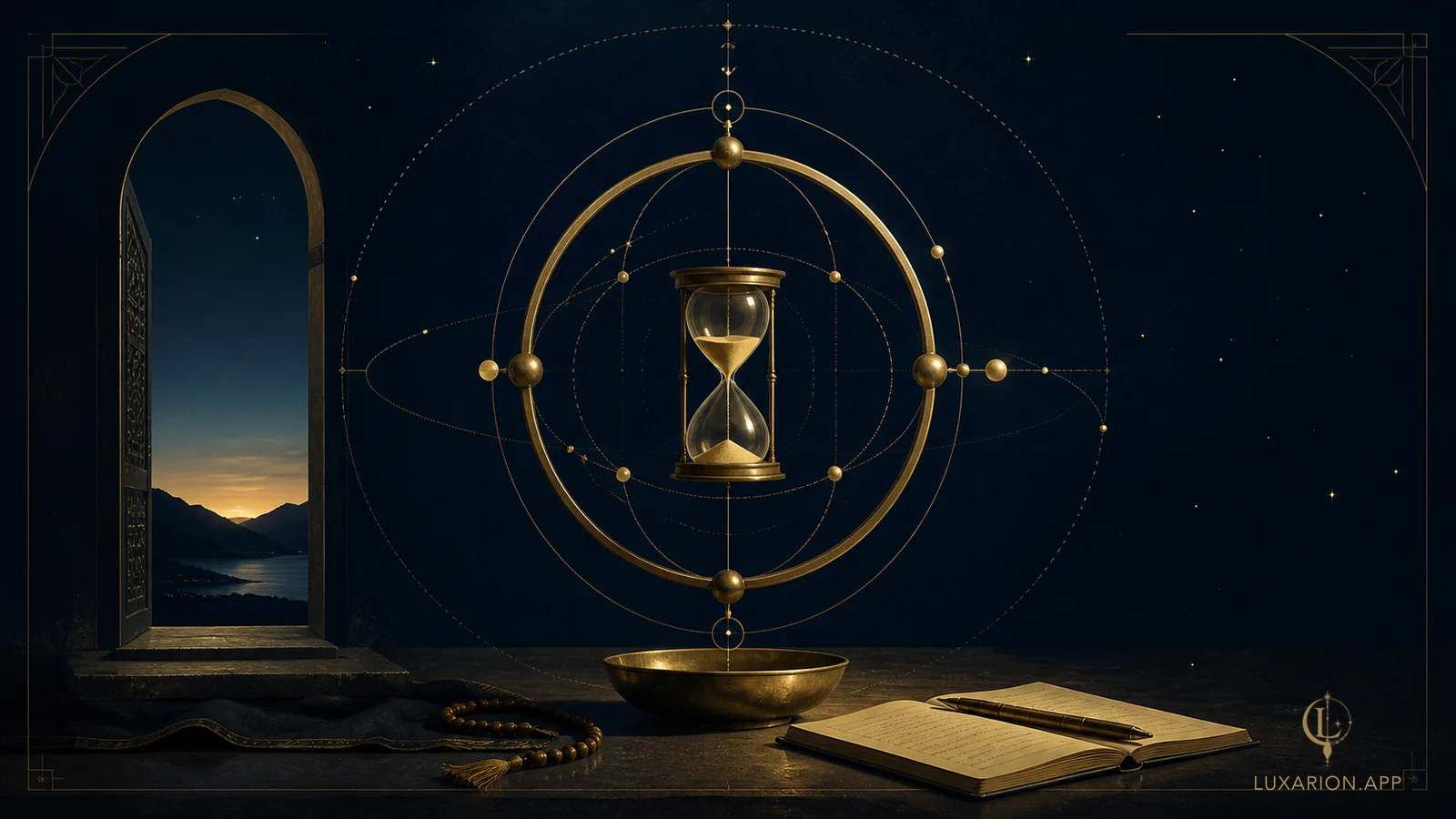
The Evening Return: A Practice Two Thousand Years Old
The evening review as Seneca, Marcus Aurelius and the Sufi masters actually practiced it — three questions, ten minutes, and the difference between review and rumination.