Editorial
Articles
Curated spiritual essays where ancient wisdom meets thoughtful digital craft.
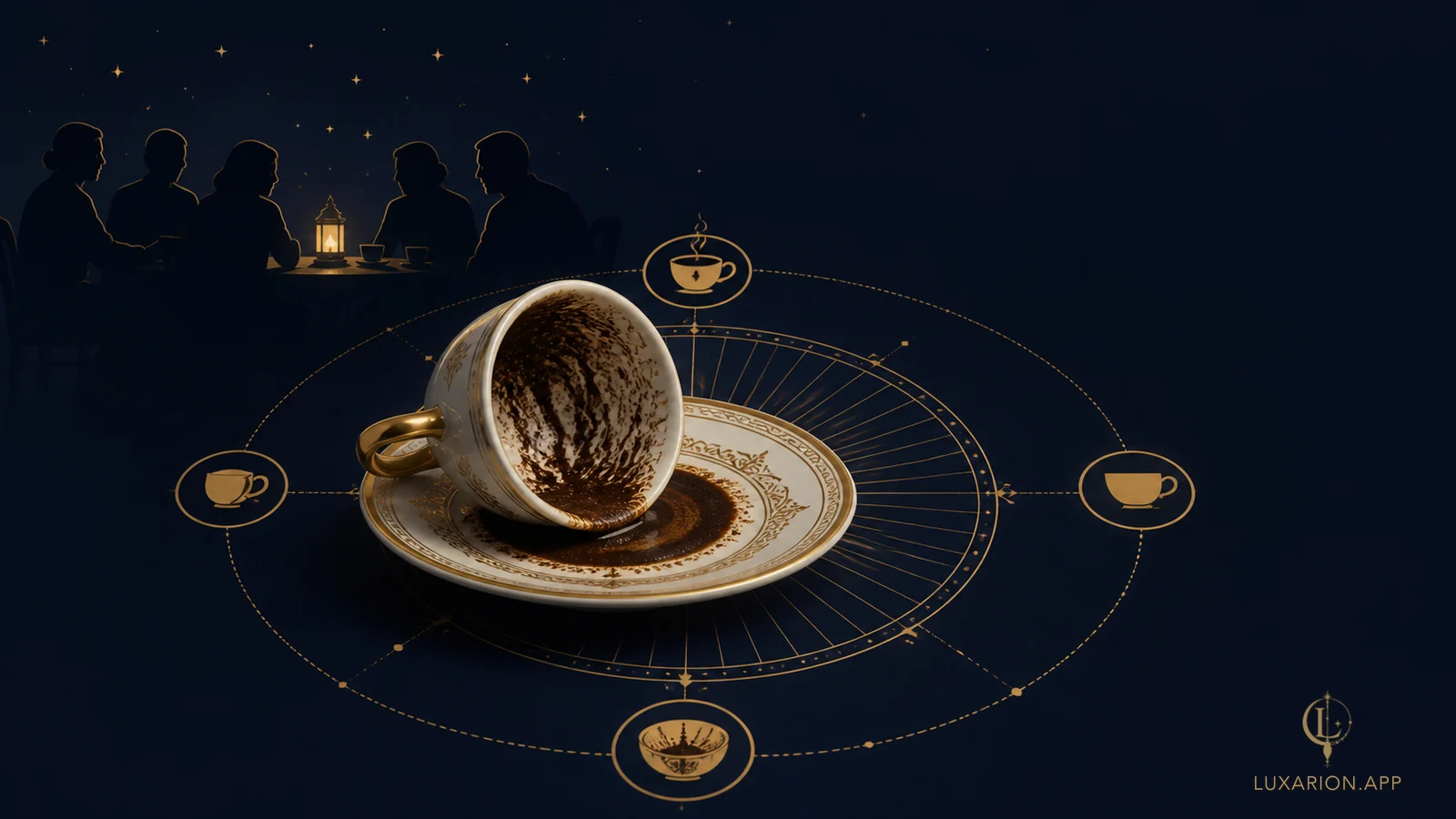
Is Coffee Reading Real? What the Cup Shows, and How
 Spirituality
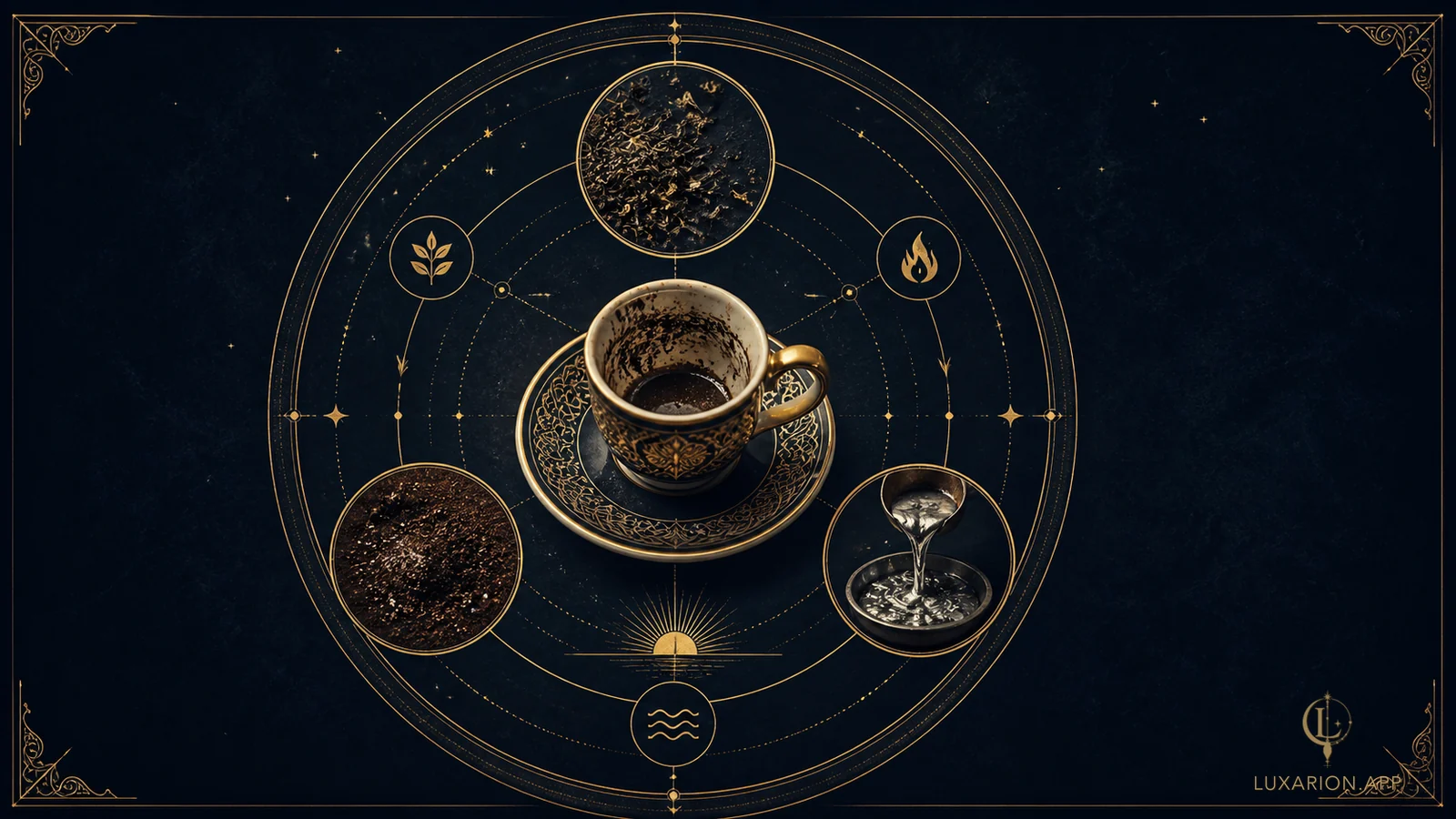
What Is Tasseography? The Art of Reading What Remains
Tea leaves, coffee grounds, molten lead in water — three branches of one family, with one premise: when something is finished, what remains is a record.

From the library
Further reading from our desk — same voice, varied themes.
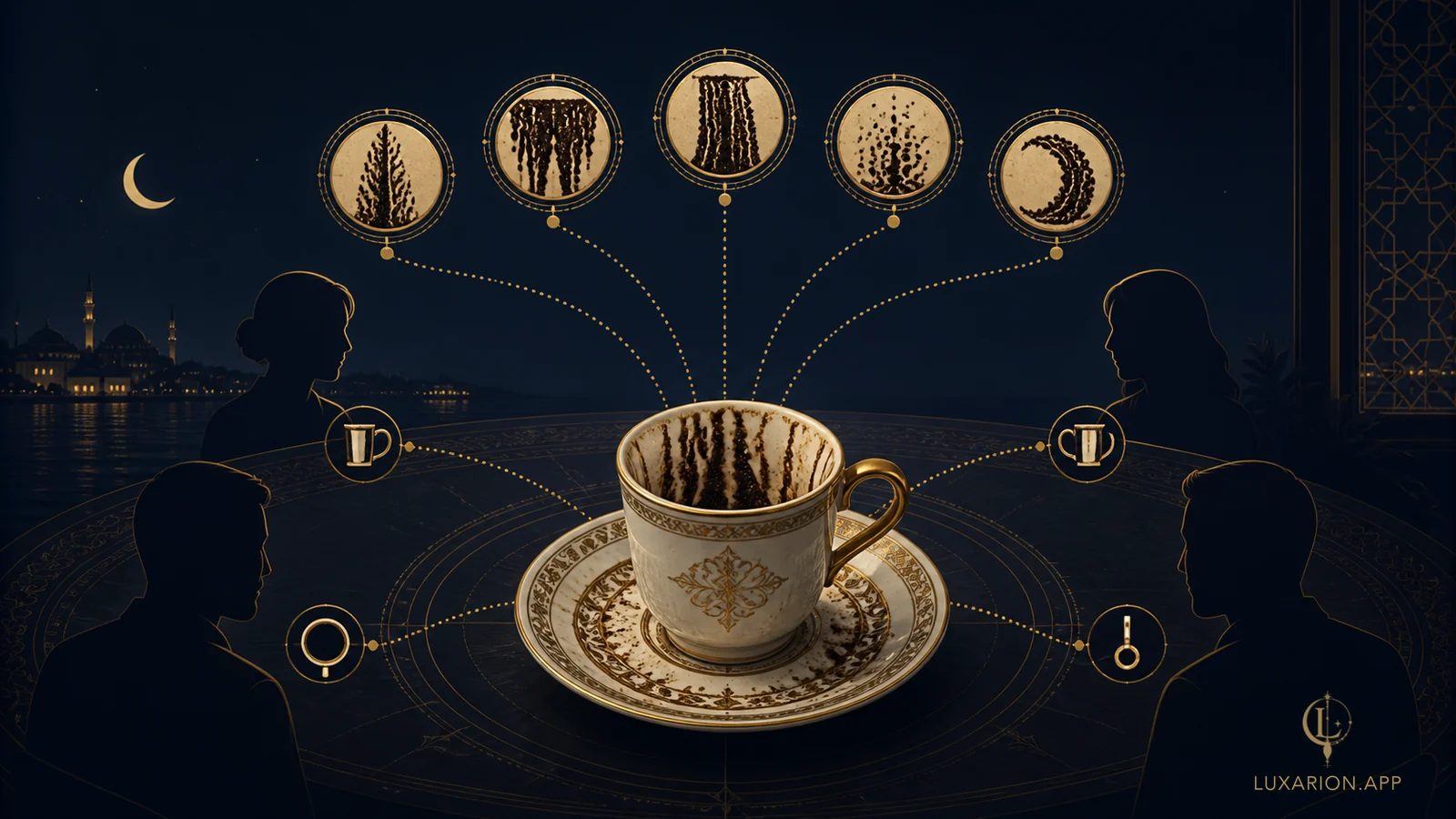
Coffee Cup Symbols: Families, Not a Dictionary
The vocabulary of the cup is learnable — not as five hundred entries but as a handful of families, each read against where it fell and who is sitting there.
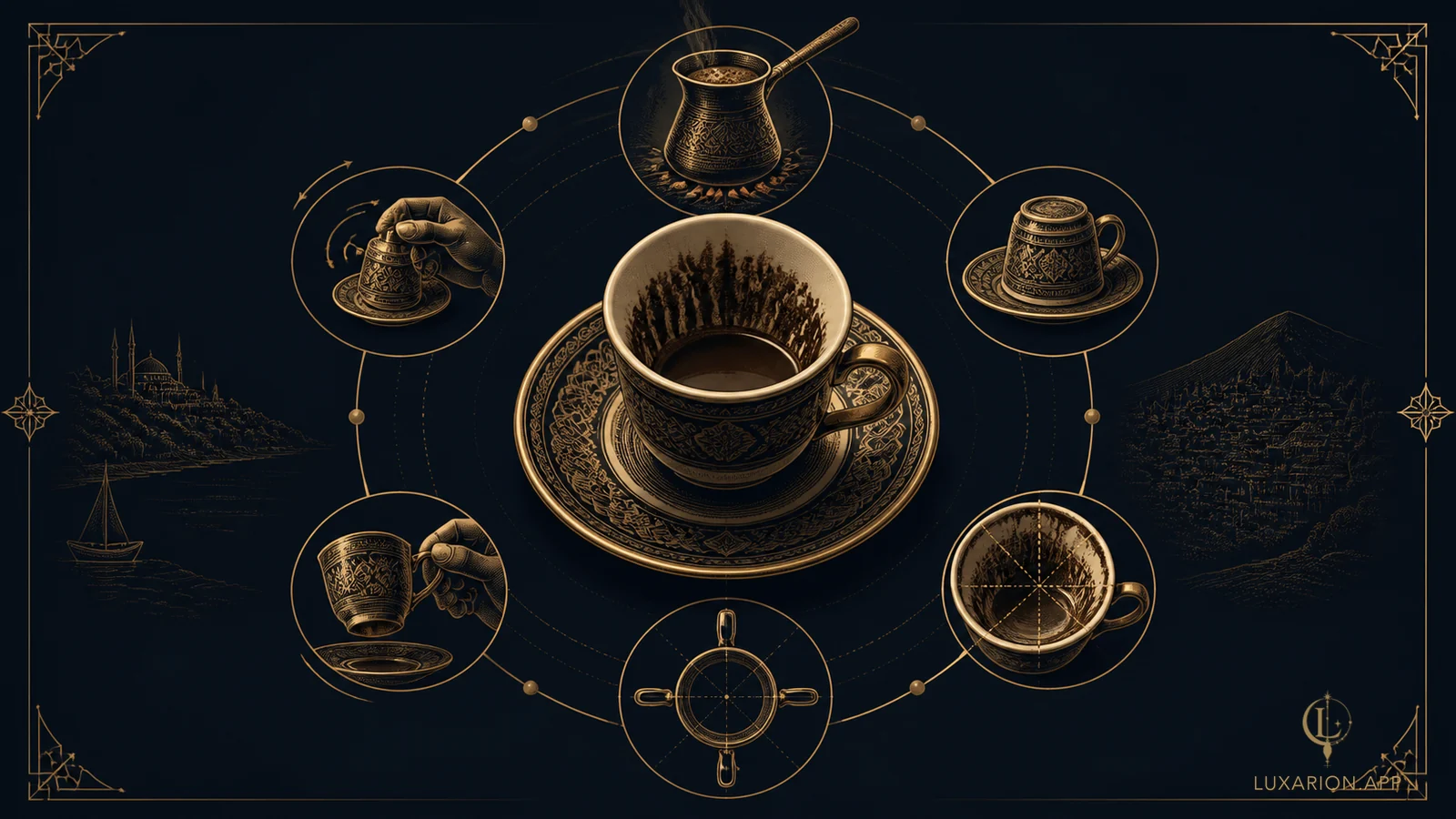
Turkish Coffee Reading: The Tradition, Start to Finish
The brewing, the turn, the wait, the lift, the geography of the cup — the complete ritual with its rules, and the rules are the interesting part.
When the Reading Says No: The Ethics Real Readers Learn
The oldest skill in every divination craft is knowing when to refuse: what the traditions refuse, why the reader who sees everything is the risk, how to stop.
The Quiet Sense: What Intuition Is, and When to Trust It
The inner sight the traditions call firāsa, what the modern study of expertise sees of it, and the old test for when the quiet sense speaks true.
Ink as Witness: What Writing It Down Actually Does
Writing is more upright for testimony, says the verse on debts. Why the page is the witness that does not move, and why it has to be re-read.
The Bird, the Ladder, the Key: Your Own Dream Alphabet
Three dictionaries give three verdicts on the same symbol. That is not a flaw in the art — it is its first lesson, and here is how to build the entry yourself.
One Card a Day: How Tarot Readers Are Actually Made
The daily draw is tarot's oldest classroom: why teachers assign it, what Pamela Colman Smith changed in 1909, and how one card shows the day.

Living by the Moon: What Each Phase Is For
The Moon waxes and wanes on schedule, and the tradition times its works to it: what each phase is for, the twenty-eight stations, and a month to run.
How to Ask About Love: The Question Is Half the Reading
One branch of the tradition formally refuses a badly built question. Its rules are three centuries old and they are still the best guide to what to ask.
Compatibility Is a Verb: What Two Charts Actually Show
Sun signs are the first page. The craft compares two whole charts — Moons, ascendants, angles — and reads the weather that forms between them.
You Are Not Your Sun Sign: The Twelve-Box Format Is Ninety Years Old
If your horoscope has never quite fit, the reason is historical. The twelve-signs-for-everybody format was invented for a newspaper column in 1930.
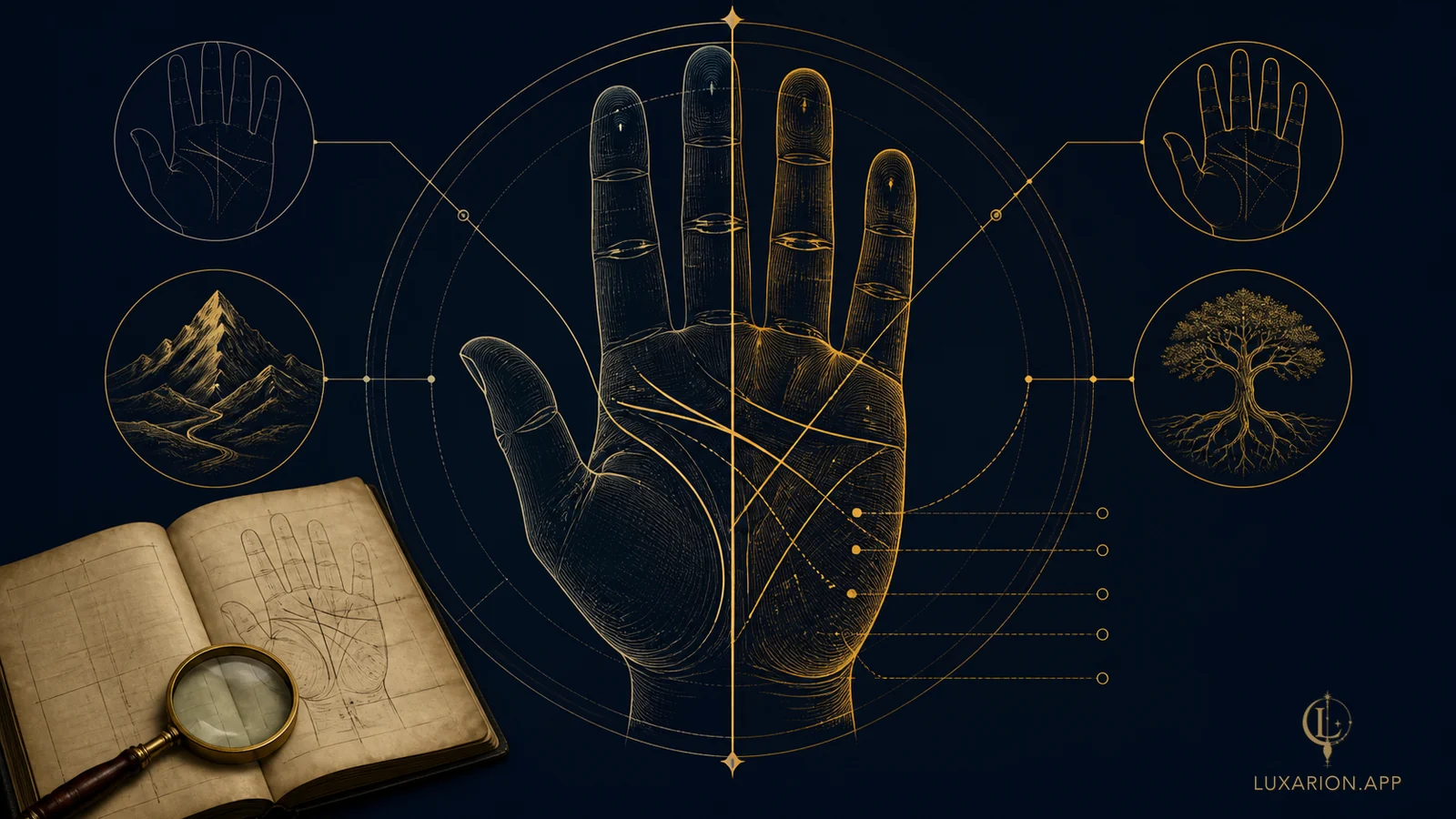
Hands Change: What Palmistry Reads in a Living Hand
Palmistry from inside the craft: two branches, two hands, why the life line is not a lifespan, and how a changing hand shows the road ahead.
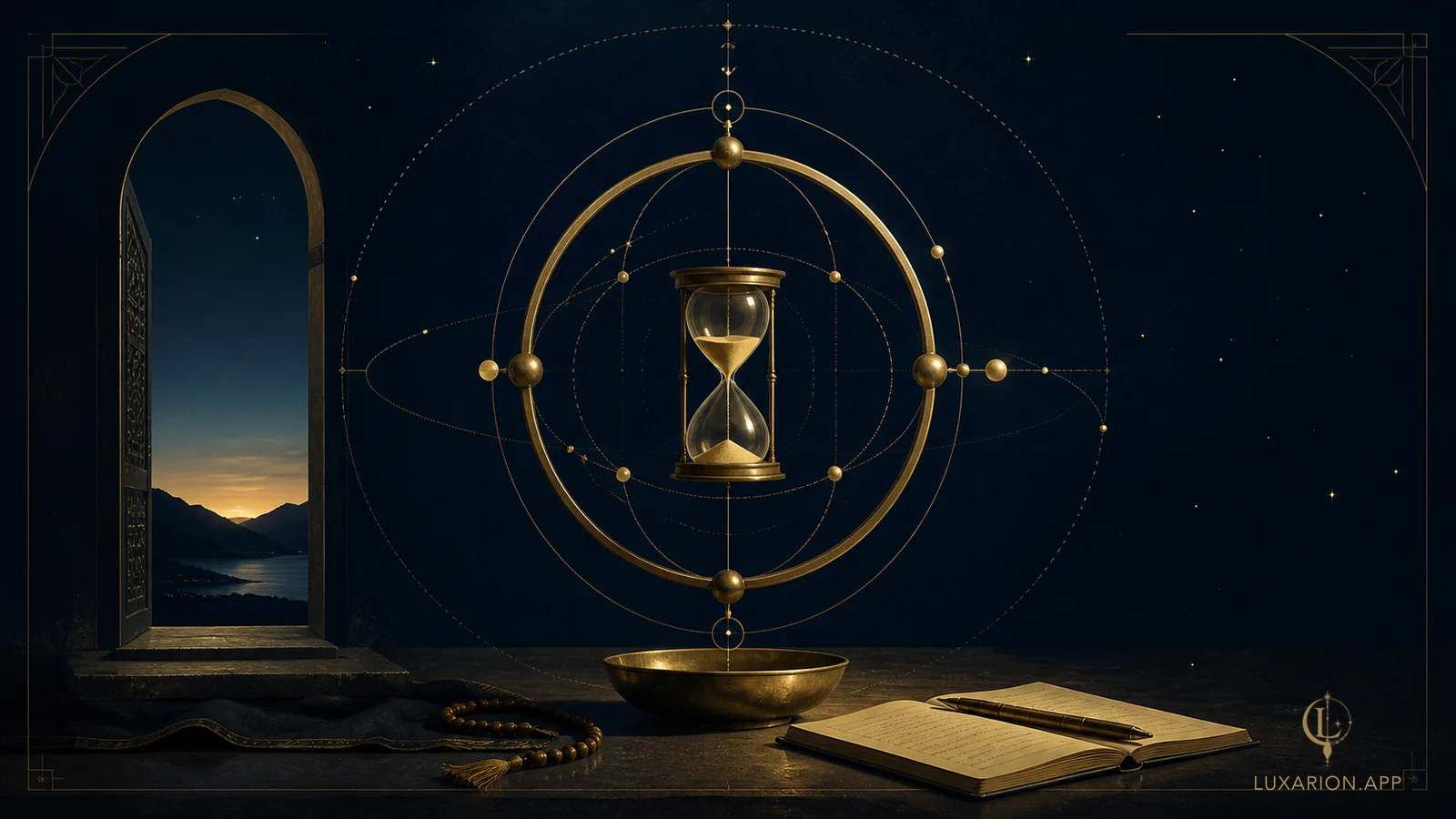
The Evening Return: The Reckoning Kept Before Sleep
The night reckoning the Sufi masters called muhasaba, kept too by Stoics and Jesuits: three questions, a ledger closed before sleep, and its counterfeit.
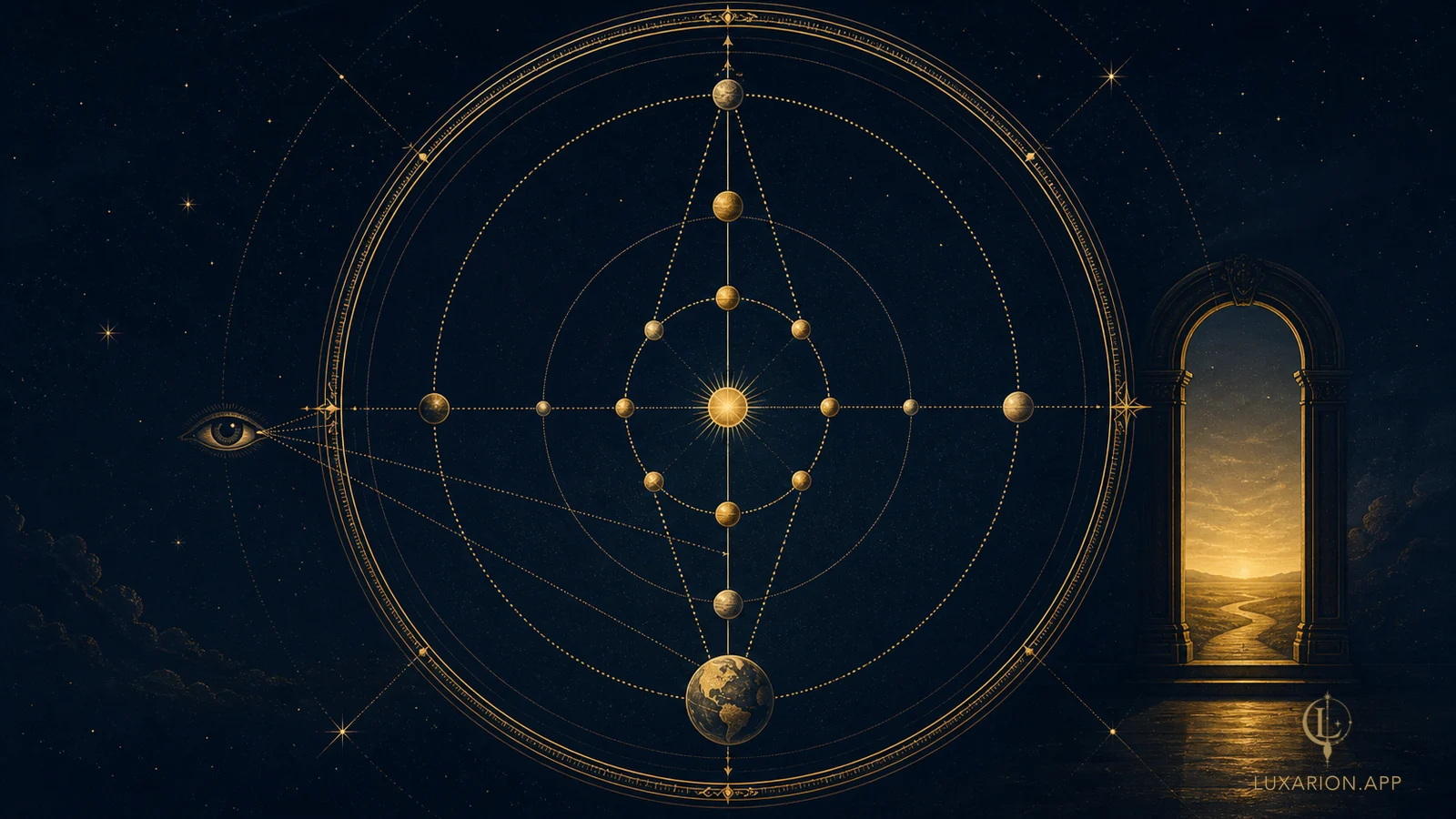
Mercury Is Not Your Enemy: What the Old Books Actually Say
The classical sources treat a retrograde planet as one weak factor among dozens. The three-week ambient catastrophe is not in them.
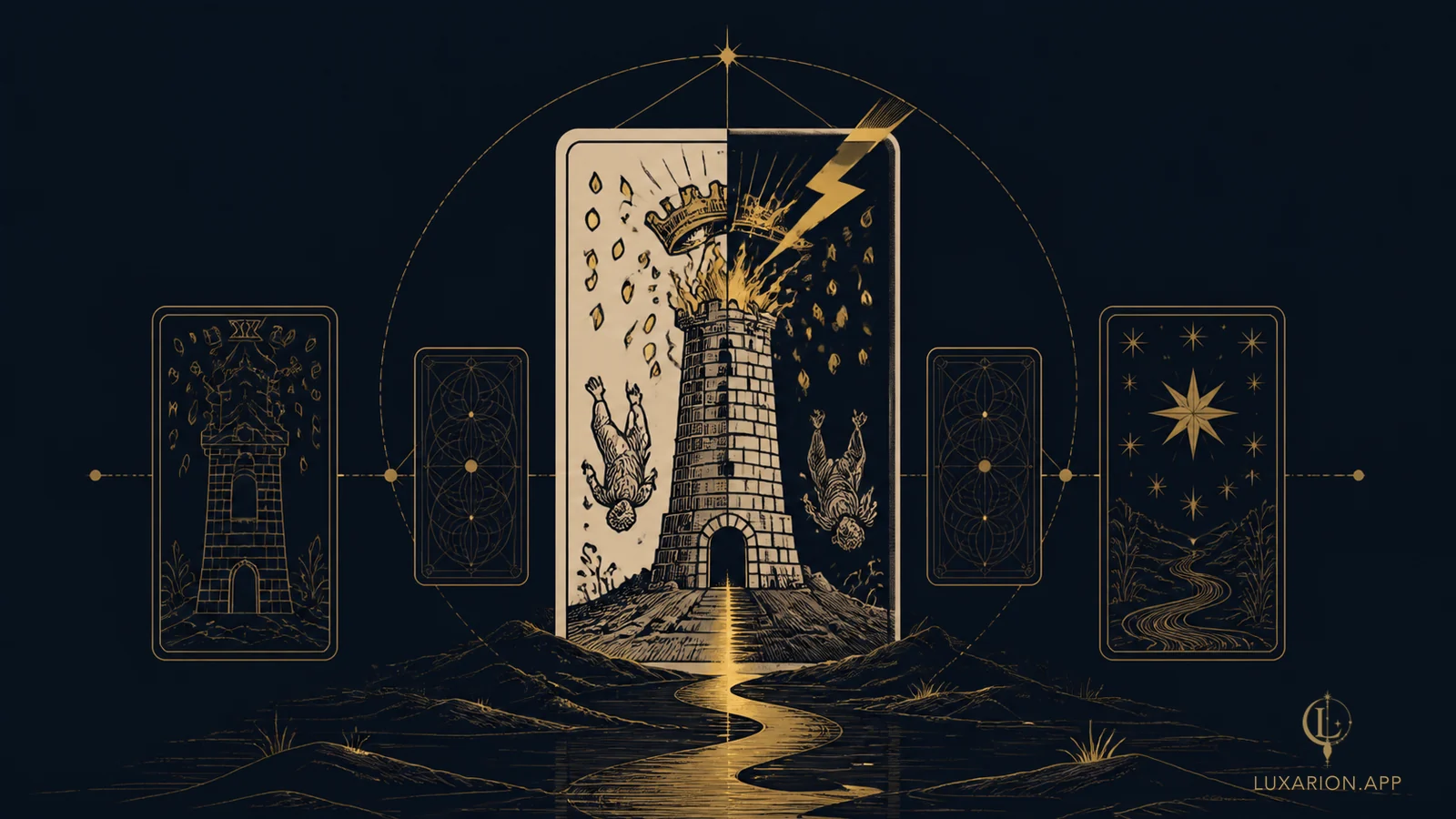
The Tower Is a Mercy: Reading Tarot's Most Feared Card
Card XVI from inside the craft: the Marseille Maison Dieu, Waite's lightning, why the Star follows it, and how seasoned readers handle it.
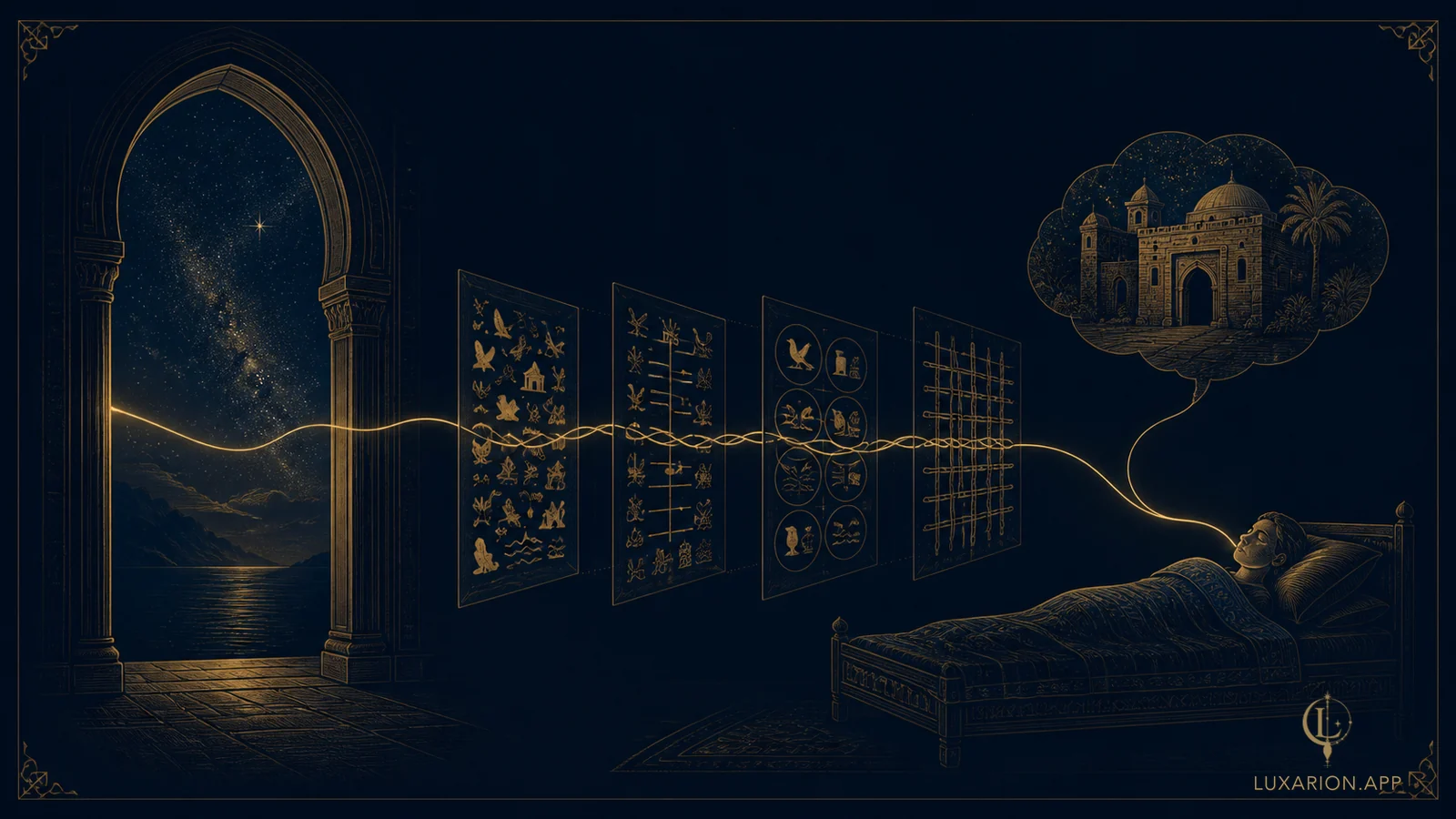
A Dream Is a Letter: How the Old Interpreters Worked
The craft behind dream interpretation: how the traditions sorted dreams, why a dictionary is the wrong instrument, and the method you can actually use.
The Cup Remembers: How Coffee Reading Actually Works
Coffee reading from the inside: what the cup takes from the one who drank, why symbol lists are training wheels, and how a reader reads what is coming.